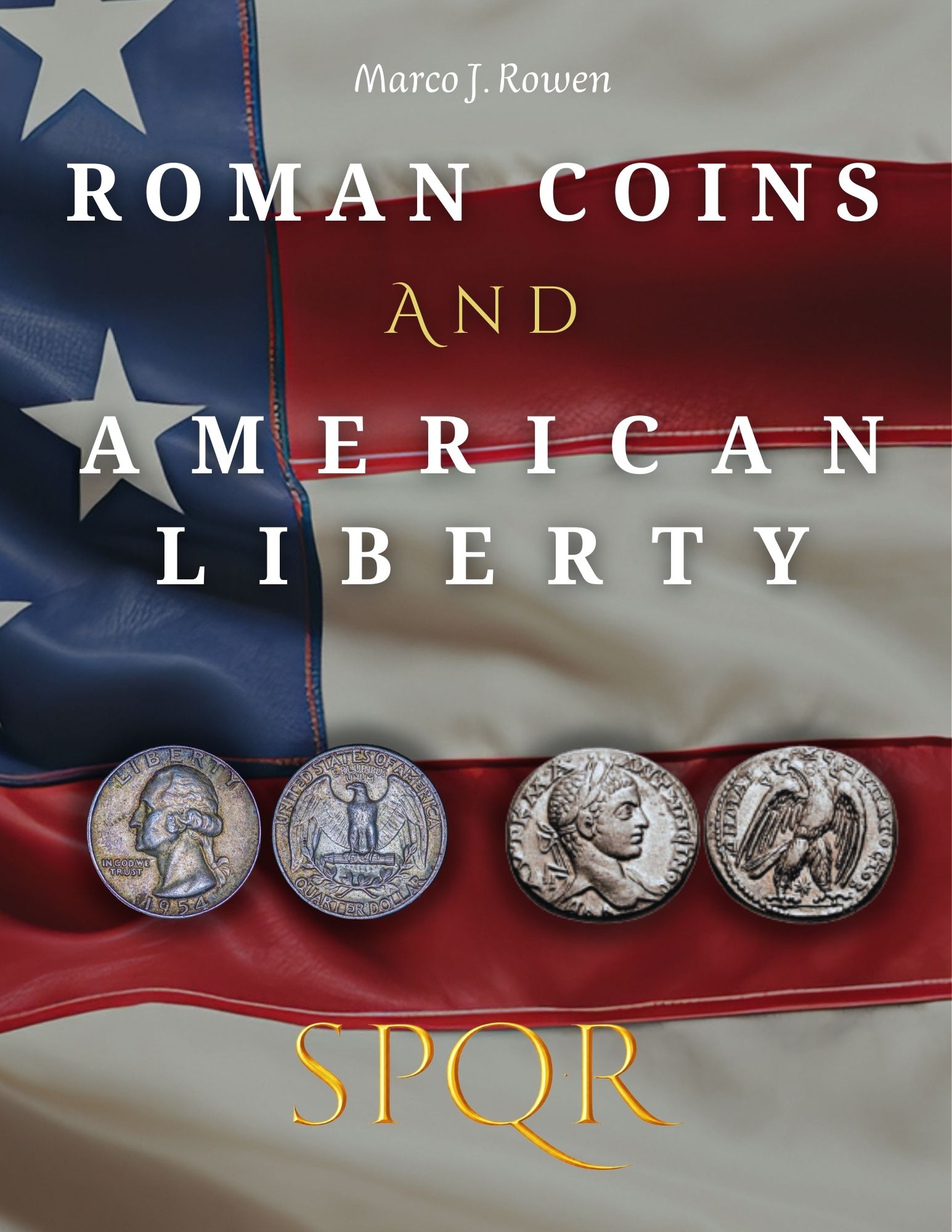
“Roman Coins and American Liberty” is a historical and cultural study that reveals the profound link between Roman and U.S. coinage. It is not a numismatic catalog but an analysis of symbolic language: how the Roman Republic codified concepts like Libertas, impersonal authority, power embodied in emblems rather than portraits, and formal, concise inscriptions, and how the Founding Fathers deliberately reinterpreted these tools to give visible form to the new American republic. The book demonstrates that “Liberty” on U.S. coins is not a modern abstraction but an intentional reworking of Roman Libertas as a civic, not private, value; that the absence of royal or presidential portraits reflects an anti-monarchical choice already practiced in Rome; and that the eagle, stripes, stars, and mottos like “E PLURIBUS UNUM” are direct heirs of an ancient political tradition. Rowen traces this continuity with comparative rigor, from independence to the digital age, and highlights the collector’s unique role as the conscious reader of a living historical language. Essential reading for understanding how modern democracy speaks, in silence, on metal, through a grammar forged two millennia ago.
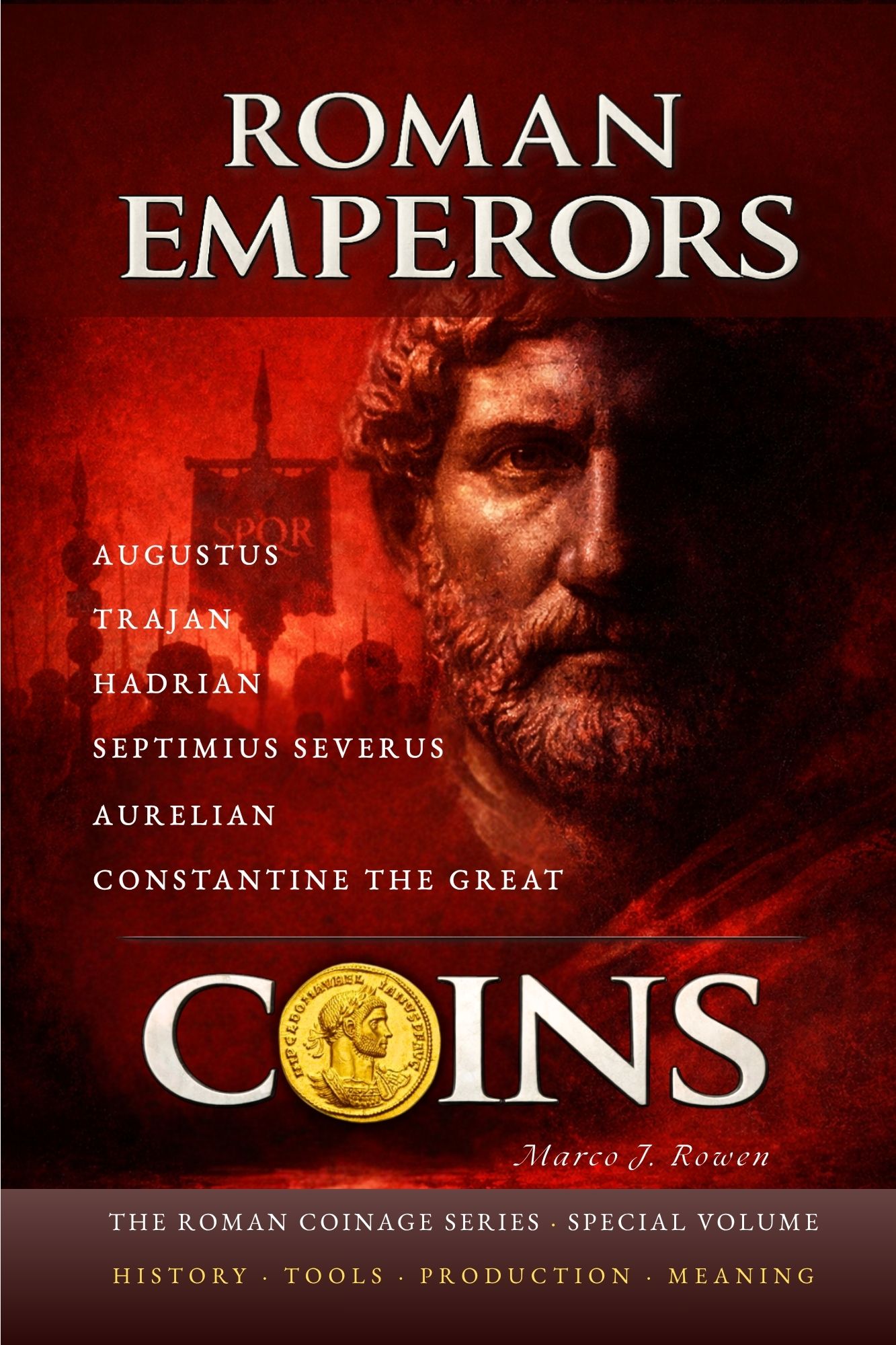
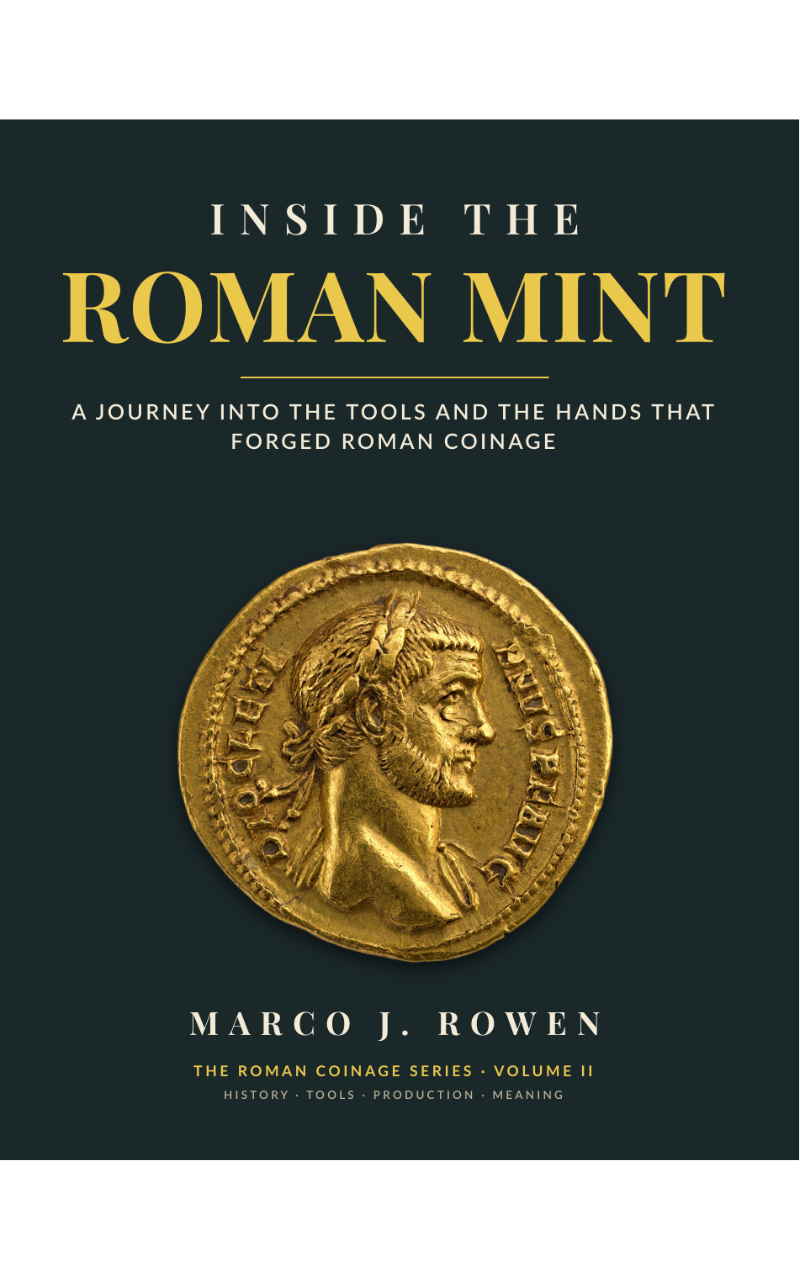
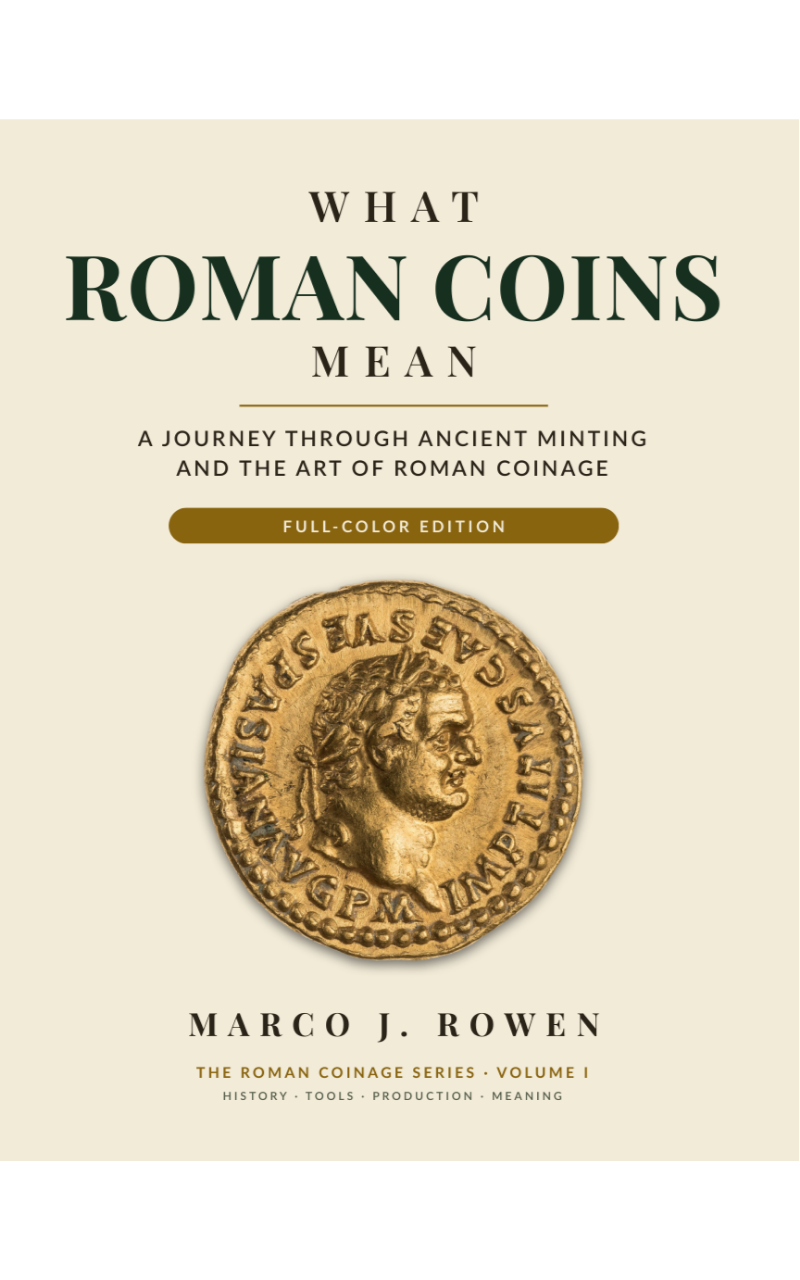
This book continues the path opened by What Roman Coins Mean and Inside the Roman Mint, but it does so by shifting the perspective outward. Rather than focusing on Rome itself, its symbols, or its workshops, this volume asks what became of the symbolic language developed there once Rome was no longer the political center of the Western world. The question is not whether later societies copied Roman coinage, but how certain concepts, visual structures, and communicative priorities first articulated in Rome proved durable enough to survive institutional collapse and reappear in new political contexts. Among those contexts, the United States occupies a unique position. The Founding generation did not look to Rome out of nostalgia or admiration for the empire. They looked to the Roman Republic as a historical model grounded in law, civic virtue, and institutional authority. In that framework, many of the symbolic solutions developed by Roman coinage, liberty as a civic value, authority without kings, symbols instead of rulers, became meaningful again. In both Rome and the United States, coins served the same fundamental function: to communicate identity, values, and power through a medium that circulates among all citizens.
This book examines continuity through three lenses: • symbolic concepts: liberty, authority, unity, vigilance, civic memory • iconographic choices: personifications, eagles, inscriptions, state emblems • communication logic: concise messages, formal language, institutional clarity The approach is historical and comparative. Roman and American examples are placed side by side not to suggest equivalence, but to reveal how similar symbolic functions operate under different political systems.
Loading…